Tower Collapse

Fast Recovery Solutions for Tower Collapse.

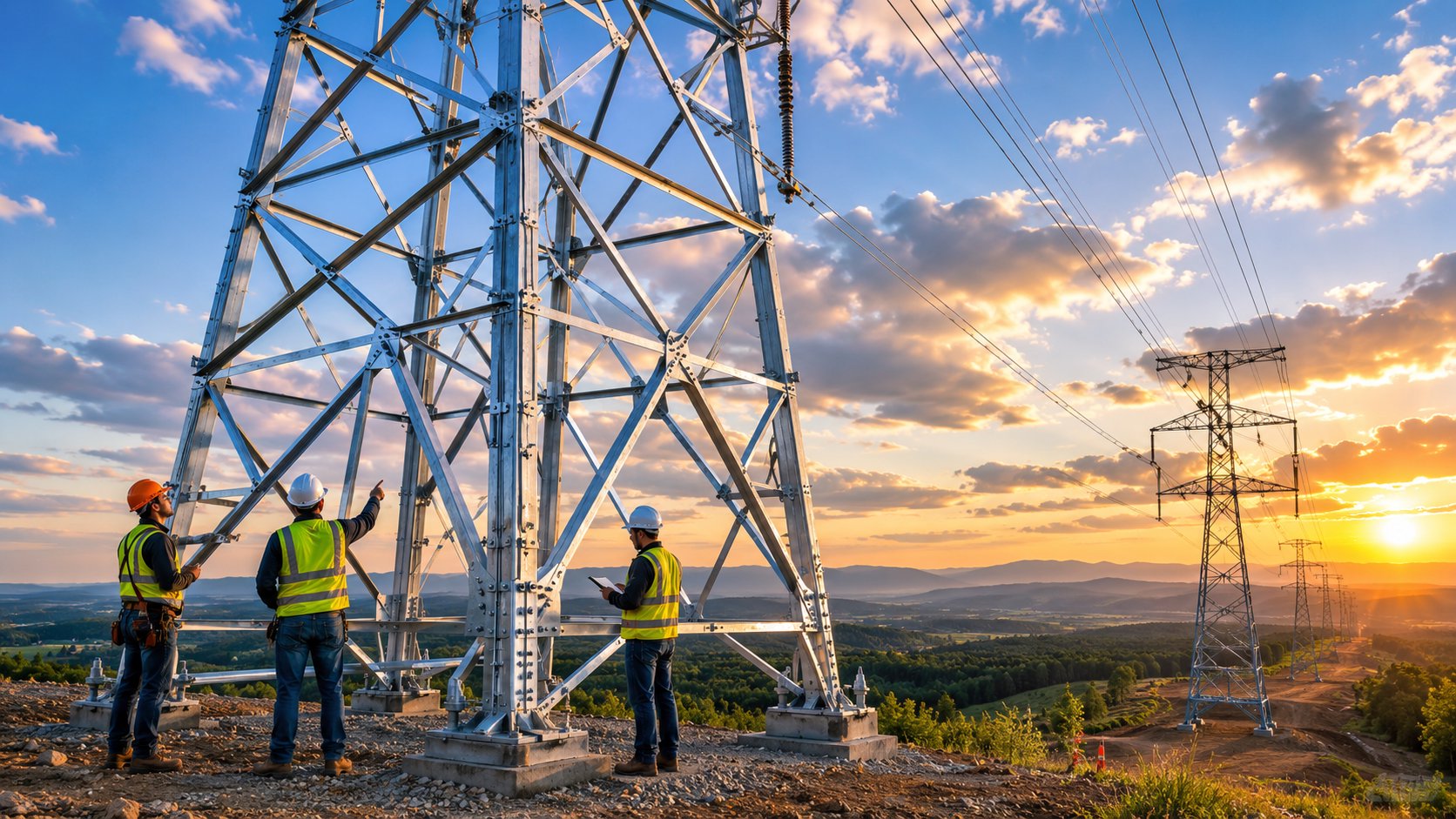
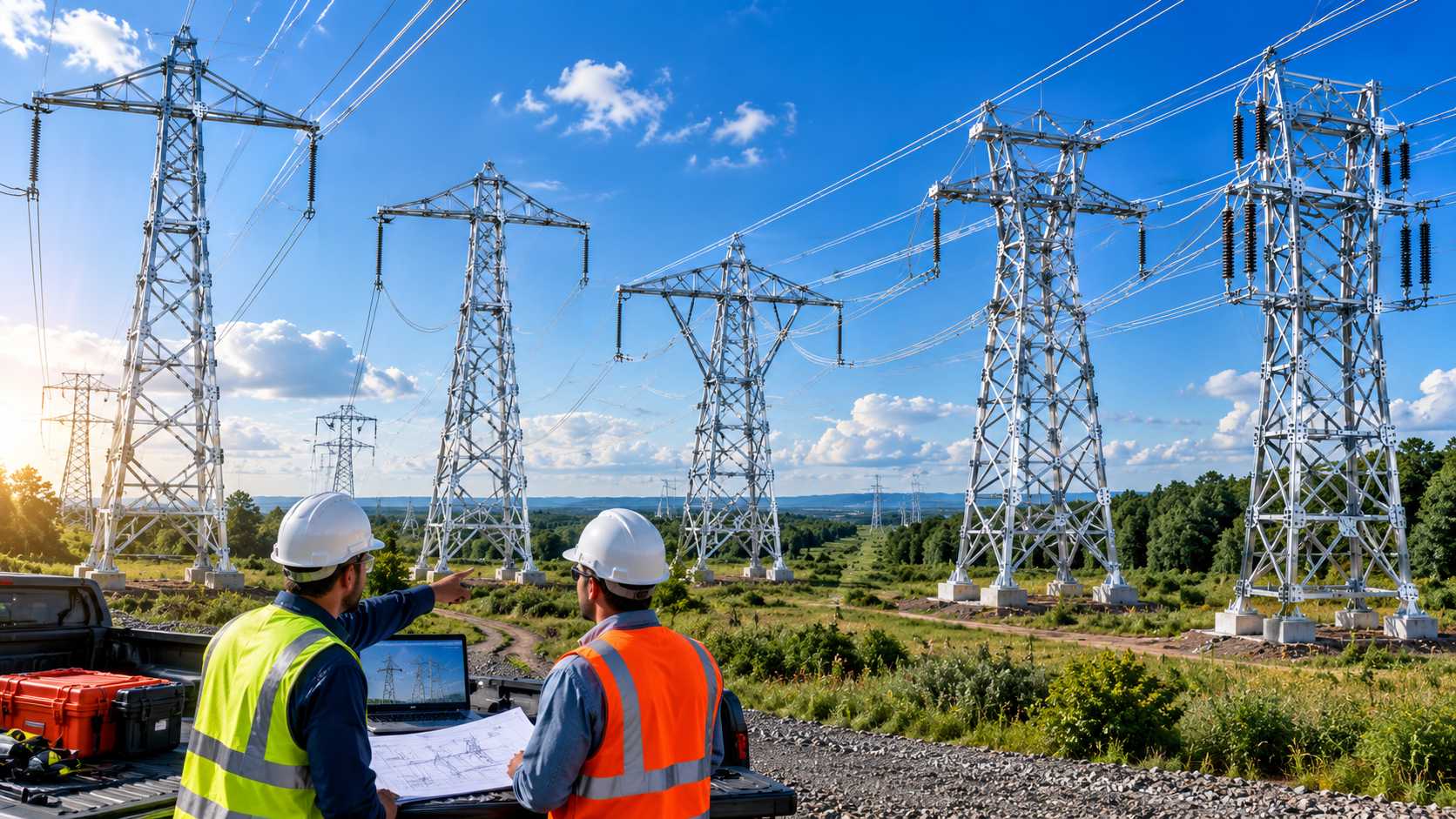
When transmission towers fail due to severe weather, structural damage, foundation instability, natural disasters, or unforeseen accidents, rapid restoration is essential to minimize outages and maintain grid reliability. Hi-Tech's Emergency Restoration System (ERS) provides a fast, engineered temporary replacement that restores transmission lines within hours or days, enabling utilities to maintain continuous power while permanent tower reconstruction is safely completed.

Rapid Emergency Restoration

Restore collapsed transmission lines quickly after unexpected failures.

Temporary Transmission Support

Maintain uninterrupted power using engineered temporary ERS towers.

Reliable Grid Recovery

Ensure safe, reliable grid recovery during permanent tower rebuilding.

Rapid ERS Recovery for Tower Collapse Emergencies

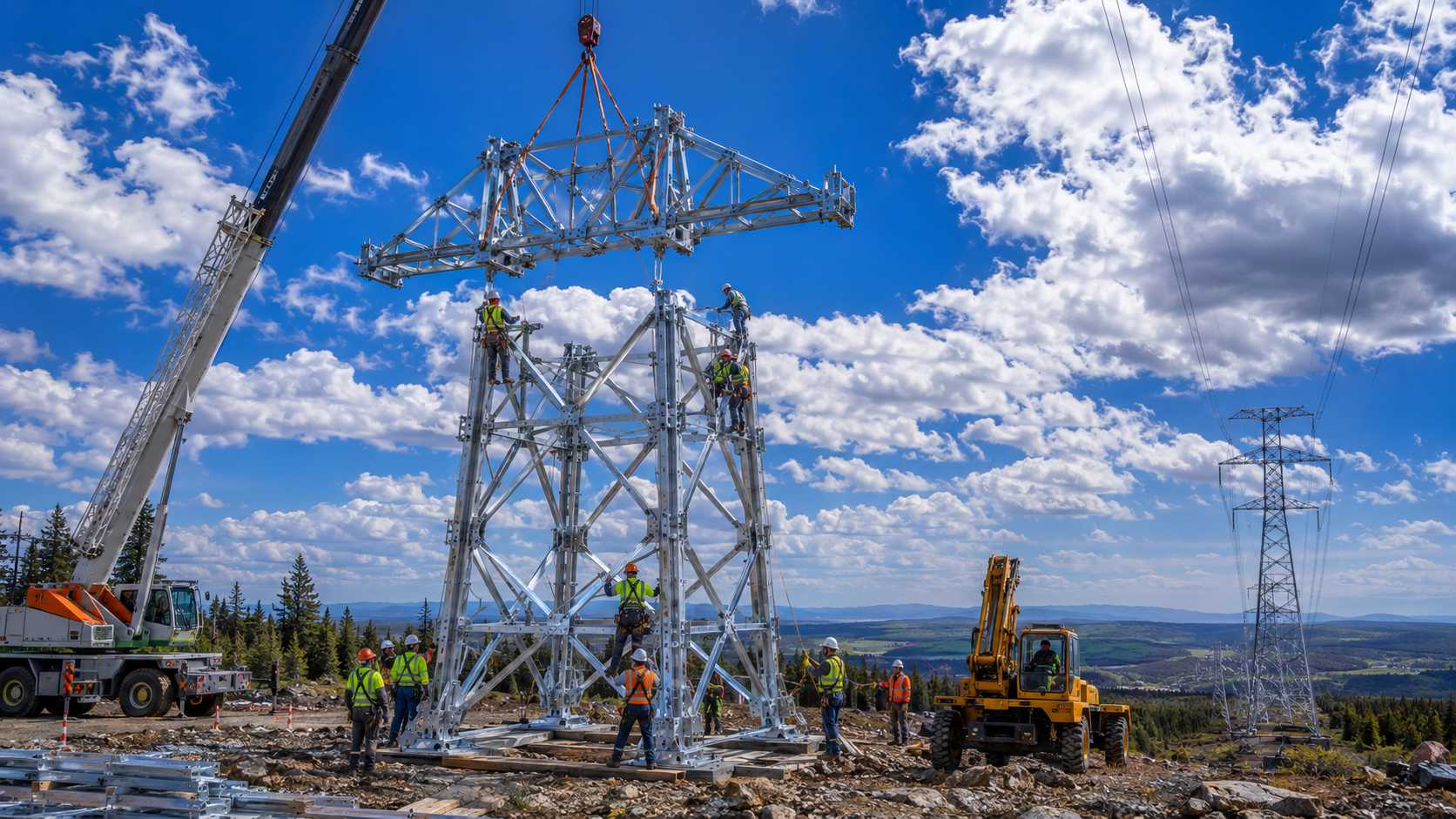
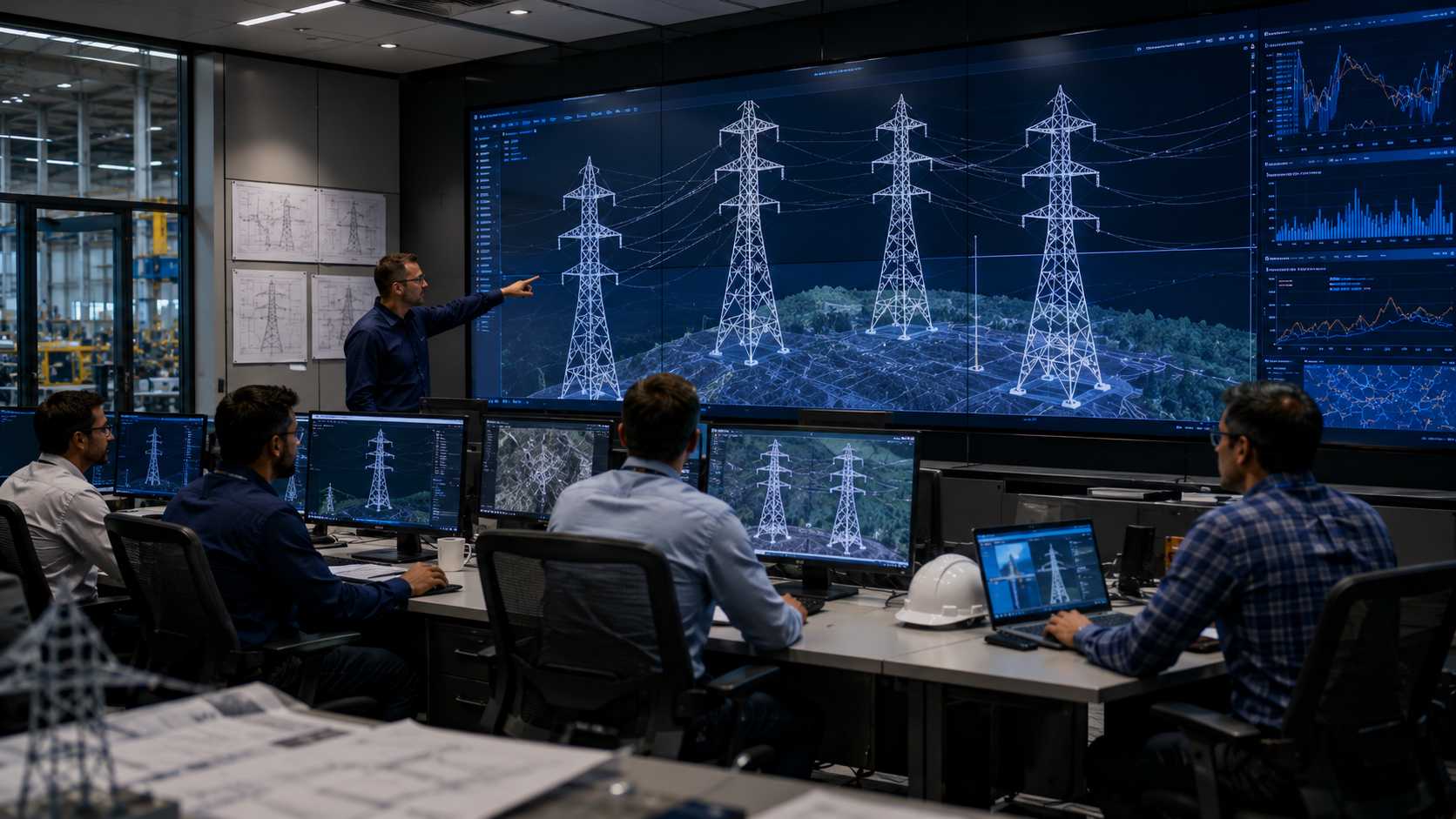
Engineered modular restoration towers empower power utilities to rapidly bypass damaged transmission lines, stabilize affected grid corridors, and restore power within hours.

01
01 / 06

Rapid Mobilization

Turnkey emergency deployment within 24 to 48 hours post-disaster, bypassing downed lattice towers and restoring critical transmission capacity.

02
02 / 06

Zero-Foundation Erection

Eliminates concrete curing delays by resting on articulated baseplates and steel guy anchors engineered for swamps, rock, gravel, or uneven terrain.

03
03 / 06

Multi-Voltage Versatility

Modular aluminum columns configured for single, double, or multi-circuit configurations across 33 kV up to 800 kV extra-high voltage lines.

04
04 / 06

Cascading Collapse Arrest

Functions as a temporary mechanical dead-end tower to isolate damaged spans and stop domino-effect tension collapses along transmission corridors.

05
05 / 06

Extreme Weather Rating

Engineered to withstand hurricane-force winds up to 250 km/h, heavy ice accretion, and seismic shock loading while permanent towers are rebuilt.

06
06 / 06

Reusable Stockpile Fleet

Once permanent construction completes, ERS modules are rapidly disassembled, packed into ISO containers, and returned to utility stockpiles.

Navigate the Supply Ecosystem

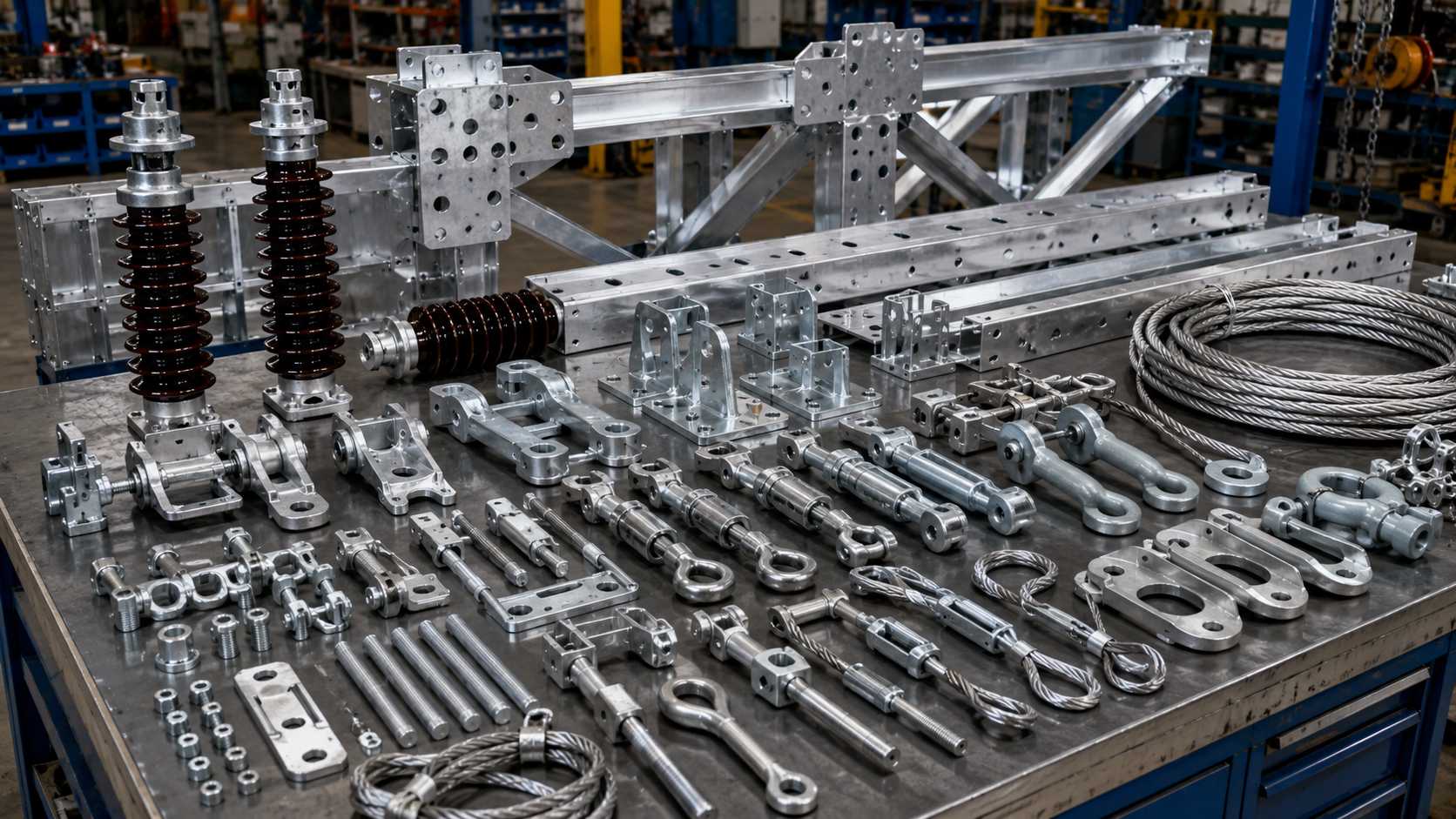
Explore complete ERS supply solutions—from manufacturing to installation and support.

Why Industry Trusts Hi-Tech

Reliable manufacturing for critical transmission projects.

Frequently Asked Questions

Everything you need to know about HiTech ERS solutions, capabilities, and standards.

What are the different ERS tower configurations?

Hi-Tech ERS towers are available in five configurations: Suspension (for straight routes), Running Angle (for directional changes), Dead-End/Tension (for high-load termination and crossings), Herringbone (twin-mast multi-circuit), and Chainette (portal-style wide corridor). Each is engineered for a specific functional role within a transmission corridor.

A Suspension configuration supports conductors on straight or near-straight transmission sections where conductor loads are balanced transversely. It is the most common ERS configuration used for emergency bypass lines, reconductoring corridors, and temporary restoration routes along straight alignments.

A Running Angle configuration is used where the transmission line changes direction — at deviation angles typically between 2° and 30°. The cross arm and structure are designed to handle the resultant horizontal conductor load created by the change in line direction, making it suitable for route diversions and corridor adjustments.

A Dead-End or Tension configuration is required wherever the full longitudinal conductor tension must be transferred to the structure — at line terminations, river crossings, long spans, section boundaries, and critical restoration anchor points. These structures are significantly more robust than suspension types and are typically guyed for additional stability.

The Herringbone is a twin-mast ERS arrangement where two vertical masts are connected by cross-bracing in a herringbone pattern. This configuration provides significantly increased structural capacity, making it suitable for multi-circuit systems, heavy-duty restoration projects, and complex loading conditions that exceed the capacity of single-mast configurations.

The Chainette is a portal-style ERS structure designed for wider transmission corridors and special crossing requirements. Its wide base and horizontal top beam allow it to span greater widths than conventional mast configurations, making it the configuration of choice for portal structure replacements and wide corridor crossings.

Yes — in fact, most ERS restoration routes use multiple configurations. A typical route will use Dead-End configurations at each terminal, Suspension configurations across straight sections, and Running Angle configurations wherever the route changes direction. Configuration selection is performed section-by-section based on the engineering requirements at each location.

Configuration selection follows a structured engineering evaluation covering route geometry, tower function, conductor loading, span length, circuit arrangement, voltage level, weather loads, foundation conditions, and access constraints. Hi-Tech's engineering team performs this evaluation for each project to ensure the deployed configuration matches the specific requirements of the transmission corridor.

River crossings require Dead-End/Tension configurations on both banks of the crossing. The dead-end structures anchor the long span conductors across the water body, absorbing the full longitudinal tension generated by the extended span. Suspension towers on either side of the dead-ends carry the normal balanced loads on the approach sections.

Yes. All five Hi-Tech ERS configurations — Suspension, Running Angle, Dead-End/Tension, Herringbone, and Chainette — are available for deployment on systems from 33kV through to 800kV, including 400kV EHV and 765kV UHV corridors. Configuration dimensions, structural capacities, and insulator string arrangements are engineered to suit the specific voltage class requirements.