ERS Manufacturing

Precision Manufacturing for Critical Infrastructure.

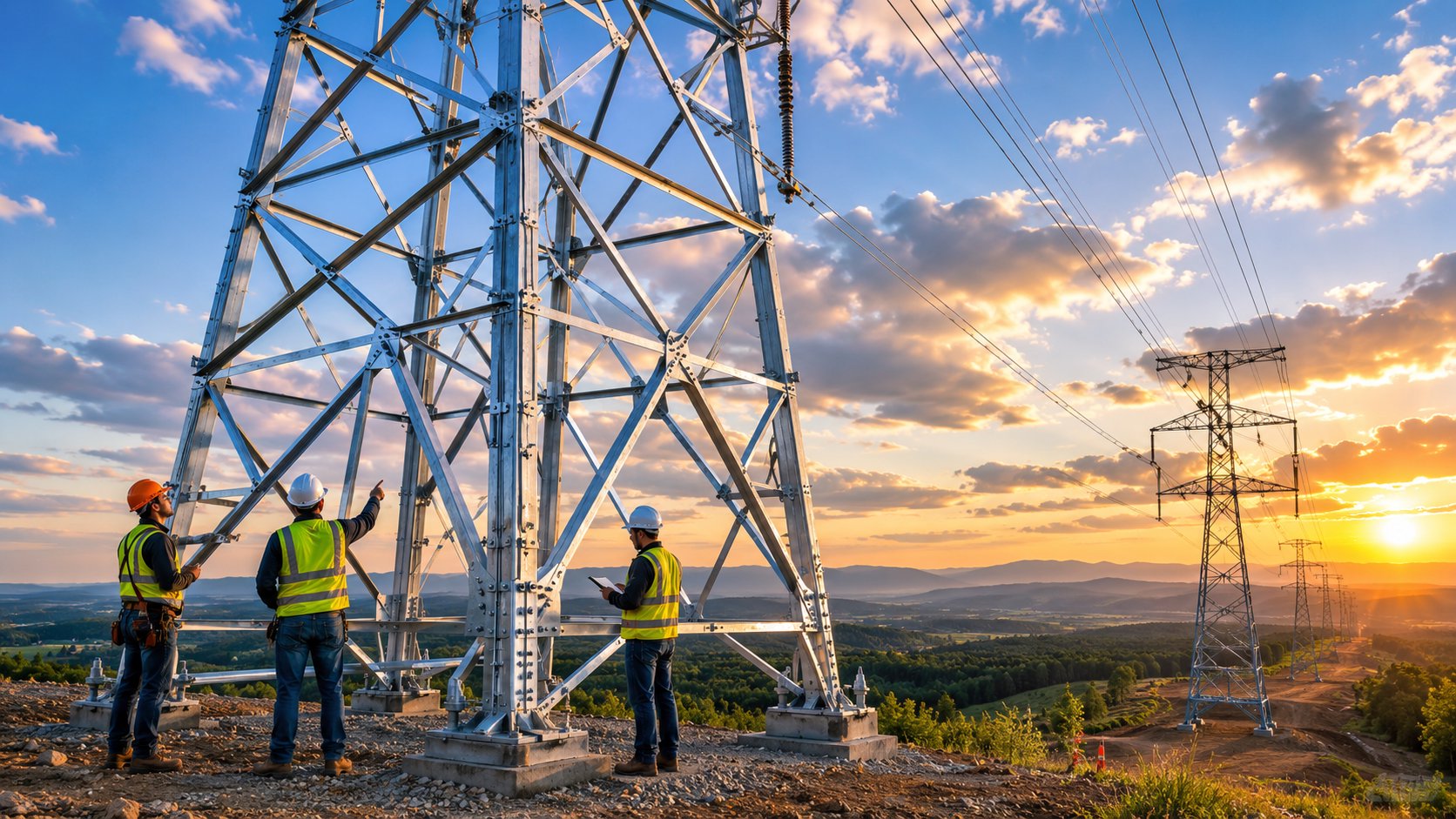
Our ERS manufacturing combines advanced engineering, precision fabrication, and rigorous quality assurance to produce reliable emergency restoration systems for utilities, EPC contractors, and infrastructure projects. Every component is manufactured in-house using certified materials and strict inspection processes, ensuring consistent quality, rapid availability, superior structural performance, and dependable field deployment in the most demanding transmission environments.

In-House Manufacturing

Complete in-house production ensures quality, precision, and reliability.

Engineered Quality

Precision-engineered ERS components built for demanding transmission projects.
Rapid Supply Capability

Fast manufacturing and delivery for planned and emergency ERS requirements.
ERS Manufacturing Capabilities

Manufacturing the full range of ERS structures for transmission line applications.

Modular ERS Structures

Manufacturing lightweight modular ERS systems designed for rapid transport, efficient assembly, and fast field deployment.

Lattice ERS Structures

Fabricating high-strength lattice ERS towers for demanding transmission projects, EHV networks, and heavy loading conditions.

Structural Components

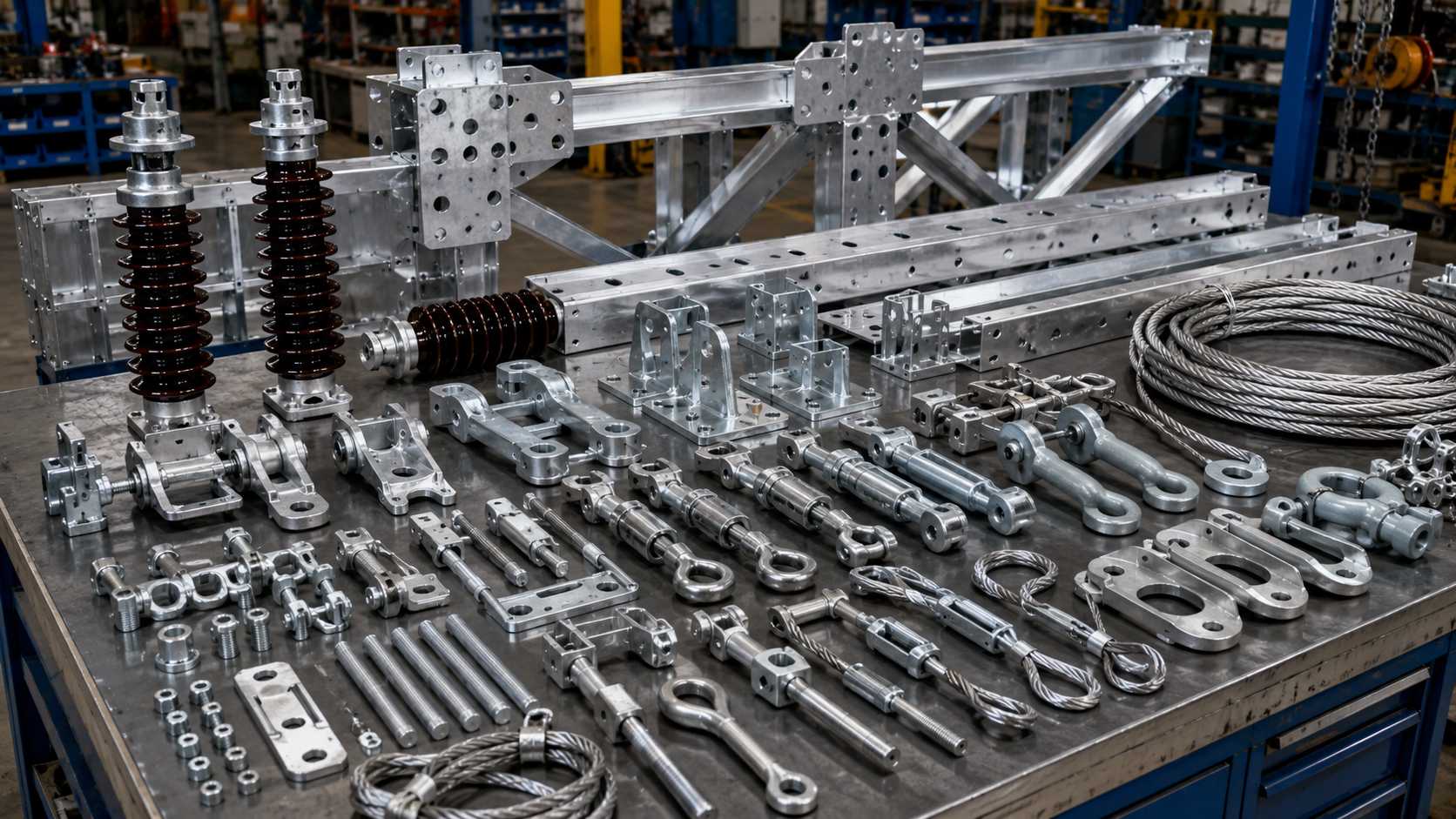
Precision manufacturing of mast sections, bracing, cross arms, hardware, and structural members to engineering standards.

Multi-Voltage Manufacturing

Manufacturing ERS structures for transmission systems from 33kV through 800kV HVDC with proven engineering capability.
Standard & Custom Solutions

Producing both standard and custom ERS solutions tailored to project requirements, loading conditions, and route geometry.

Emergency Production Support

Accelerated manufacturing capability supporting emergency restoration, disaster recovery, and critical transmission outages.


Inside the ERS Manufacturing Process

Six disciplined stages — from engineering review through to dispatch — ensuring every ERS structure meets structural performance and quality requirements before leaving the facility.

01
Stage 01

Engineering Review

Project requirements, loading conditions, route geometry, and voltage class are evaluated. Structural member selection and configuration type are confirmed at this stage.

Load Analysis Route Survey Voltage Class Member Selection
02
Stage 02

Design Verification

Engineering checks validate structural calculations against applicable standards. Manufacturing drawings and production plans are prepared and reviewed before fabrication begins.

Structural Calc Drawing Review Standards Check
03
Stage 03

Material Preparation

Structural members are cut, formed, and prepared for fabrication. Material quality is verified at this stage before any manufacturing operations begin on project components.

Cutting & Forming Material QC Pre-fab Check
04
Stage 04

Fabrication

Precision manufacturing of ERS structural components — mast sections, cross arms, bracing members, and connection assemblies — produced to dimensional and quality specifications.

Mast Sections Cross Arms Bracing Connections
05
Stage 05

Quality Inspection

Dimensional verification, fitment checks, surface treatment inspection, and quality documentation are completed. Components are cleared for dispatch only after passing all inspection criteria.

Dimensional Check Surface Inspection QC Clearance
06
Stage 06

Packaging & Dispatch

Structures are prepared for transportation — components sorted, labelled, and packaged for site-ready delivery. Logistics planning ensures components reach the deployment location in the correct sequence.

Sorting & Labelling Site-Ready Pack Logistics Plan

Inside the ERS Manufacturing Process

A six-stage process ensuring precision, quality, and reliable ERS manufacturing.

Engineering Review

Project requirements, route geometry, voltage class, and loading conditions are thoroughly evaluated to define the optimal ERS configuration before manufacturing begins.


Design Verification

Structural calculations, engineering standards, and manufacturing drawings are verified to ensure every ERS design meets project specifications before production.


Material Preparation

Certified steel members are measured, cut, formed, and inspected to ensure every structural component is ready for accurate fabrication and consistent manufacturing.


Fabrication

ERS mast sections, cross arms, bracing members, and structural assemblies are precision fabricated to meet engineering drawings and dimensional specifications.
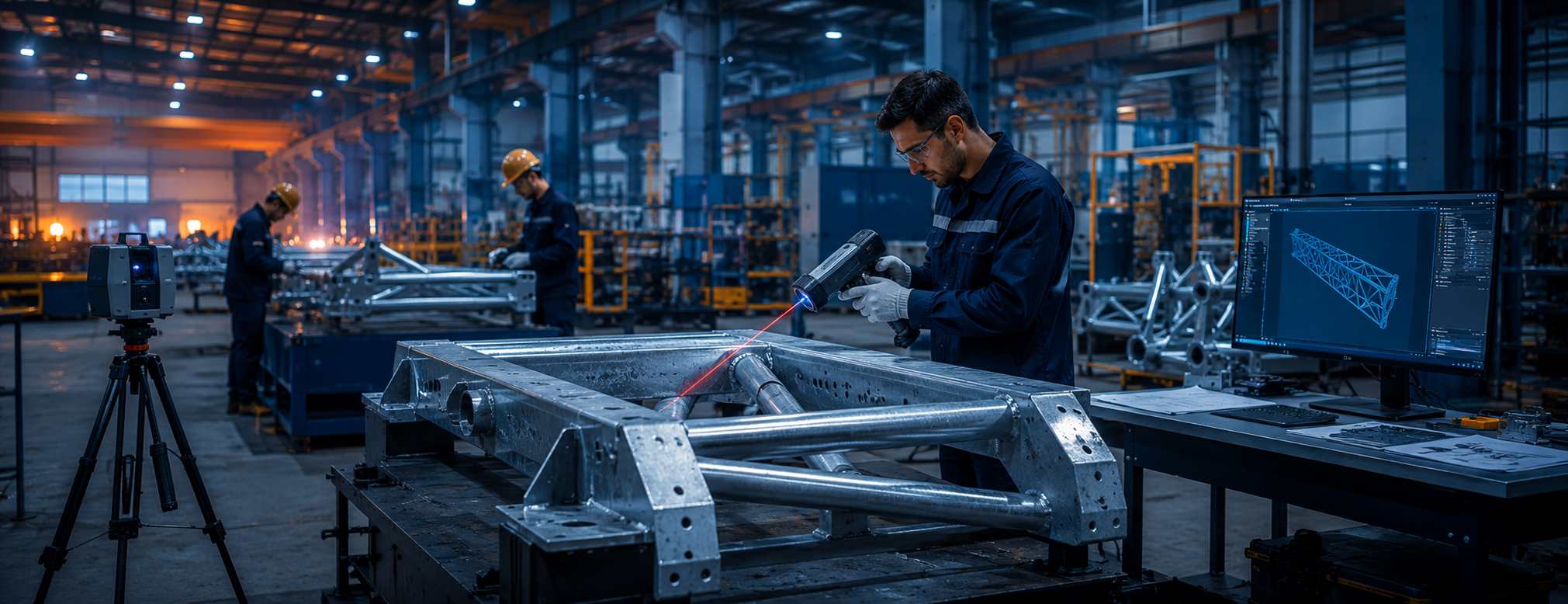

Quality Inspection

Every fabricated component undergoes dimensional checks, fitment verification, surface inspection, and documentation before approval for project dispatch.
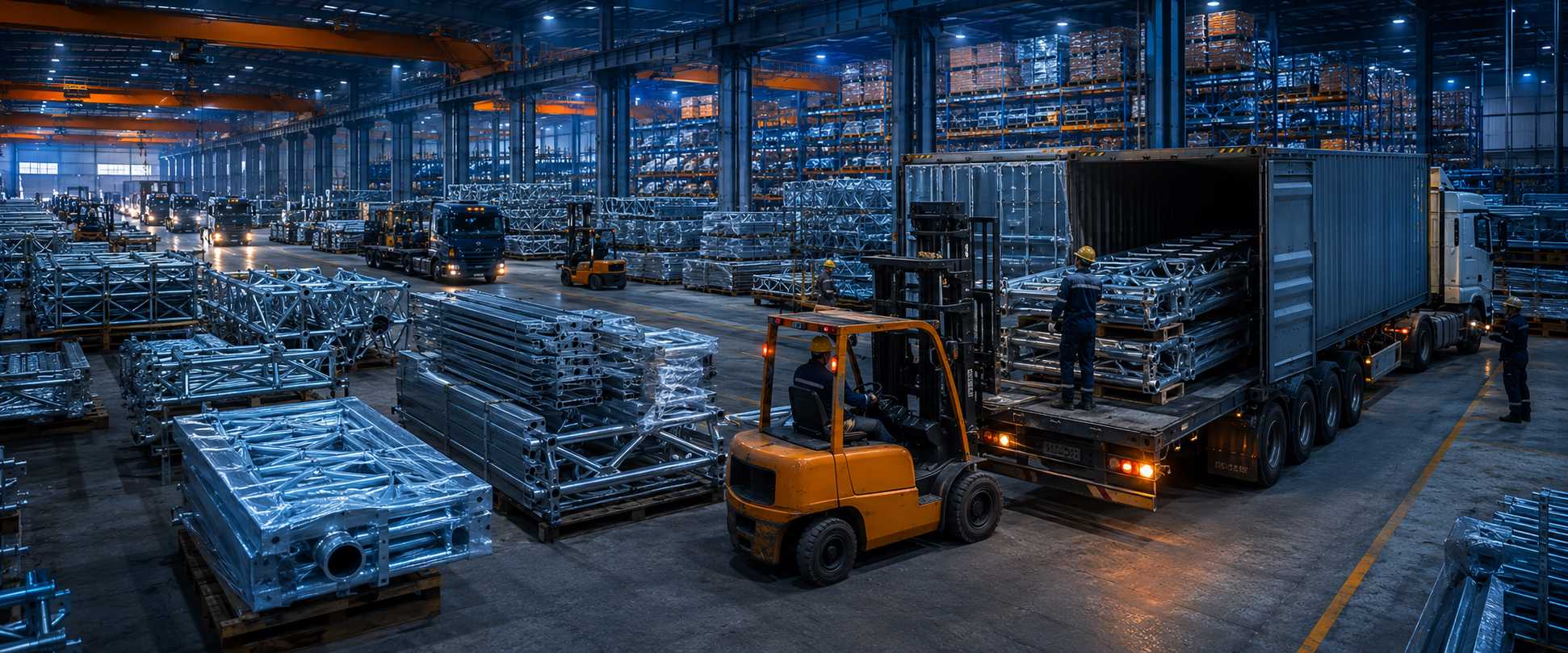

Packaging & Dispatch

Manufactured ERS components are sorted, labeled, packaged, and organized for efficient transportation, ensuring rapid deployment at the project site.

Manufacturing for Every ERS Configuration

Precision manufacturing tailored to every ERS configuration.

Suspension

Straight-line transmission support for balanced conductor loading.
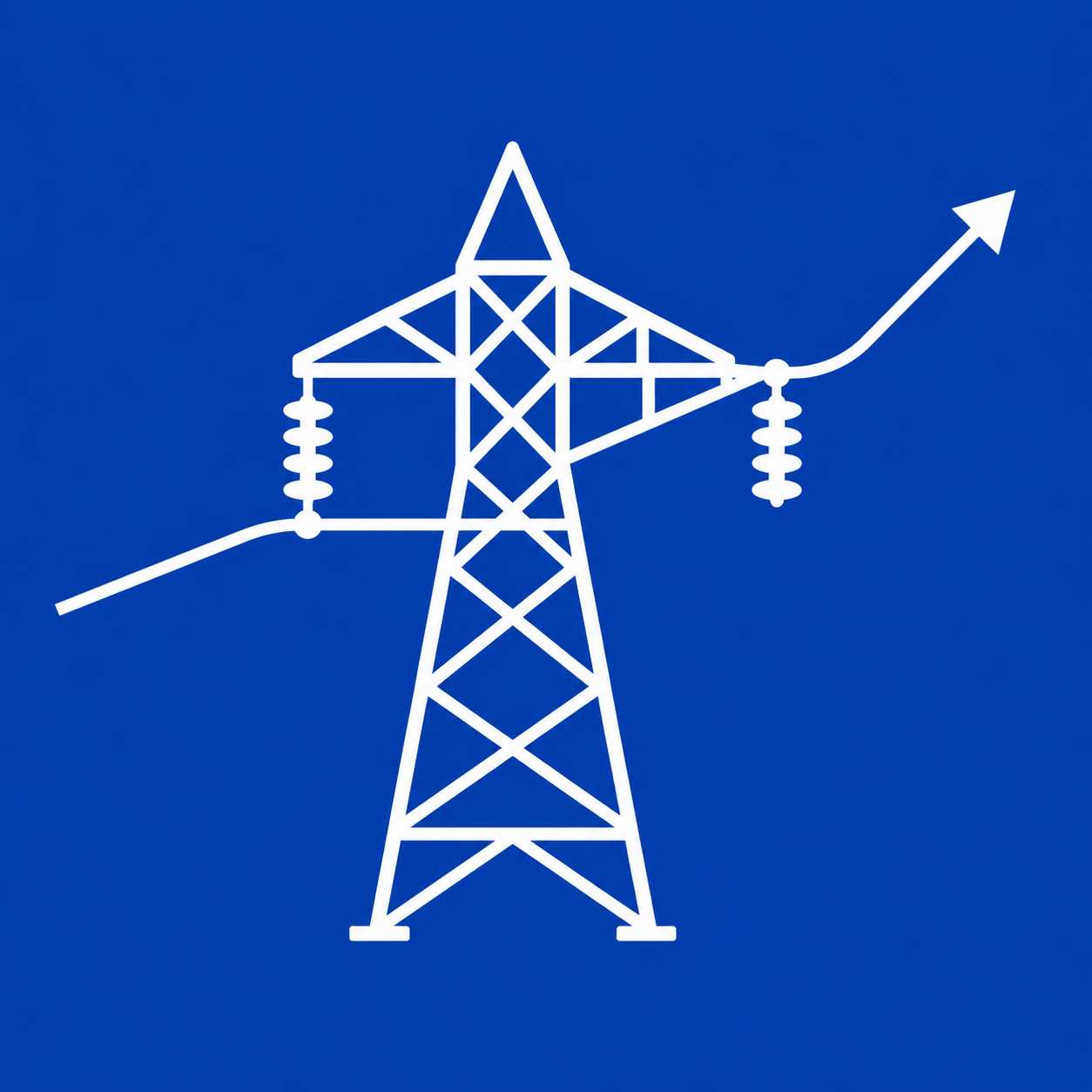
Config 01

Running Angle

Structures designed for route deviations and directional changes.
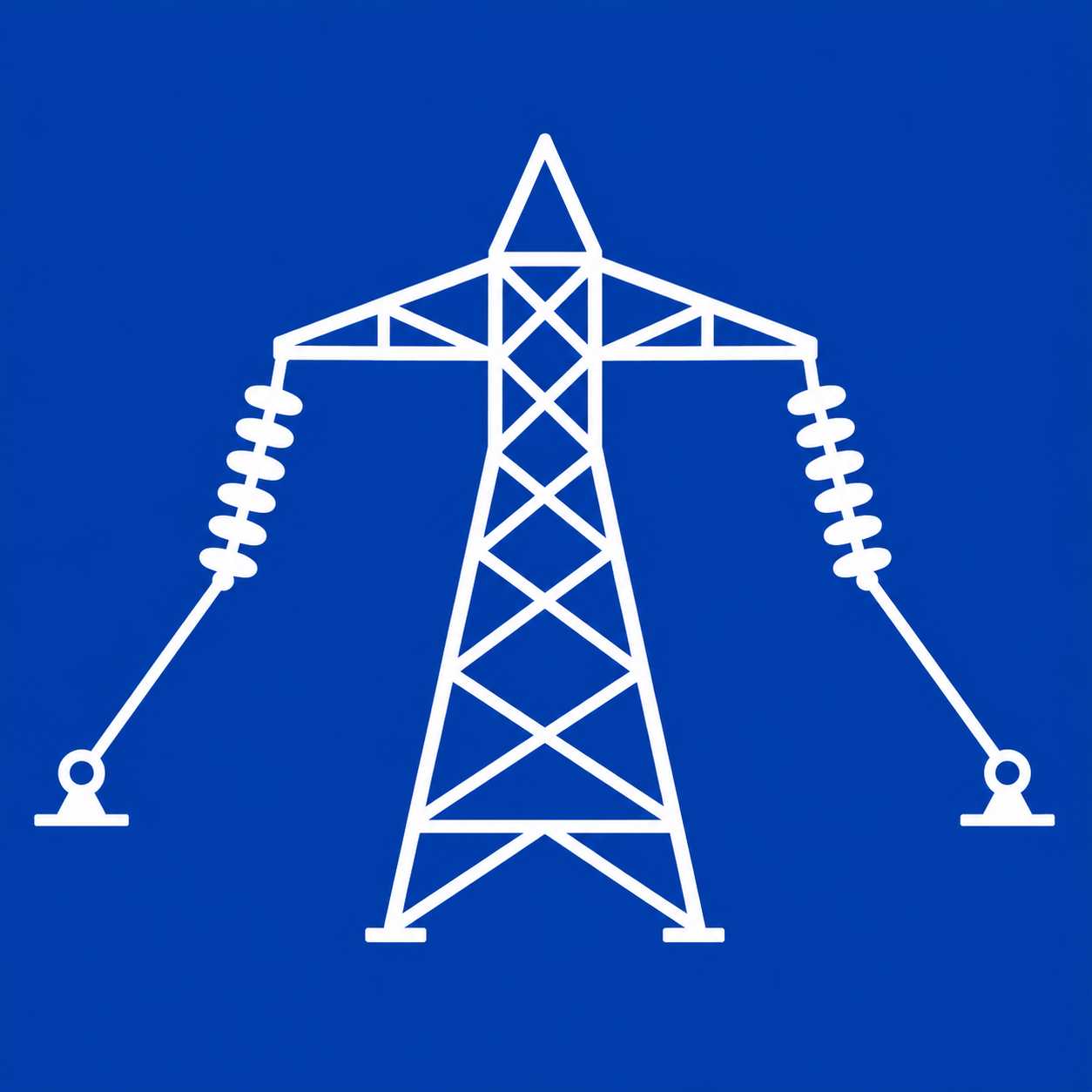
Config 02

Dead-End / Tension

High-load and conductor termination structures for crossings and anchors.
Config 03

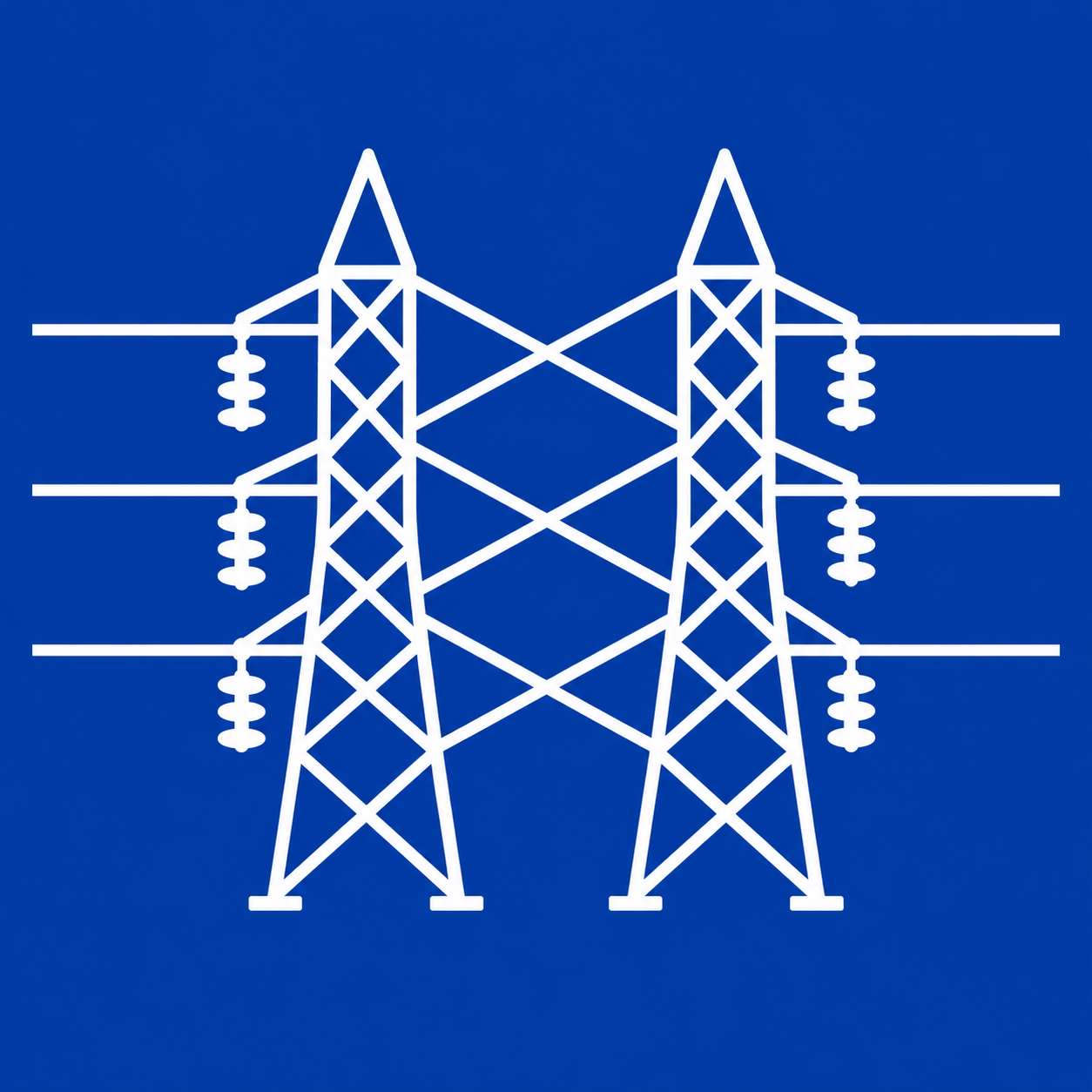
Herringbone

Twin-mast multi-circuit restoration configurations for complex corridors.

Config 04

Chainette

Portal-style transmission support systems for wide-span applications.
Config 05

Navigate the Supply Ecosystem

Explore complete ERS supply solutions—from manufacturing to installation and support.

Why Industry Trusts Hi-Tech

Reliable manufacturing for critical transmission projects.

Frequently Asked Questions

Everything you need to know about HiTech ERS solutions, capabilities, and standards.

How are ERS towers manufactured?

Hi-Tech ERS towers are manufactured through an integrated six-stage process: engineering review, design verification, material preparation, fabrication, quality inspection, and packaging for dispatch. Engineering and production operate under the same facility, ensuring that structural design requirements are precisely translated into the manufactured components.

ERS towers are fabricated from high-strength structural steel and — for lightweight modular configurations — aluminium alloy sections. Material selection is determined by the structural loading requirements, configuration type, voltage class, and operational requirements of each project. All materials are sourced to engineering specifications and verified on receipt.

Yes. Hi-Tech manufactures ERS structures for the full range of transmission voltages — from 33kV sub-transmission through to 220kV, 400kV EHV, 765kV UHV, and 800kV HVDC systems. The structural dimensions, cross arm geometry, insulator string arrangements, and loading capacities are engineered to suit each specific voltage class requirement.

Quality control covers six areas: material verification on receipt, dimensional inspection of fabricated components, in-process fabrication quality checks, structural validation against engineering specifications, comprehensive manufacturing documentation, and component traceability from material through to dispatch. Components are cleared for dispatch only after passing all inspection criteria.

Yes. Hi-Tech manufactures both modular and lattice ERS structures. Modular systems use lightweight tubular sections designed for rapid field assembly and transport — suited to emergency restoration and access-constrained sites. Lattice structures are used for higher-load applications including EHV and UHV corridors, long spans, and dead-end configurations requiring greater structural capacity.

Yes. In addition to standard ERS configurations, Hi-Tech can manufacture project-specific solutions where route conditions, loading requirements, or operational constraints require a custom structural arrangement. Custom configurations follow the same engineering verification and quality control processes as standard production.

For emergency restoration requirements, Hi-Tech's manufacturing facility can activate accelerated production to support urgent deployment timelines. Emergency production runs prioritise the specific configuration types and quantities required for the restoration project, with rapid dispatch to ensure structures reach the site within the operational response window.

ERS towers are primarily used by transmission utilities (PGCIL, state transcos), EPC contractors on transmission line projects, power grid operators managing outage restoration, and government disaster response agencies. Secondary applications include temporary bypass systems for industrial power supply, mine site transmission, and large infrastructure projects requiring interim transmission capacity.